


Microboards Australia is a family led, not for profit organisation supporting people with a disability and their networks of support to find ways to develop lasting relationships, recruit support teams and plan for the future.
Our vision is for all people with a disability living self determined lives with a sustained support network of family, friends and committed support people and community members who share parts of their lives and know them well. We believe that all people have the right to the life they choose which respects them as a member of community and family and upholds their universal human rights.
Explore what we do
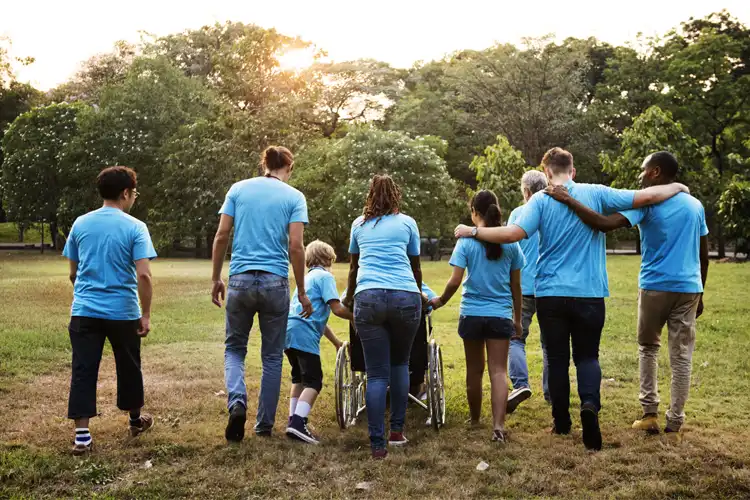
Microboards Community
Interested in establishing a Microboard or embedding the Microboard principles of sustainable support networks founded on relationships?
Professional Services
NDIS behaviour support, therapy and support coordination programs and services for families, individuals and service providers.
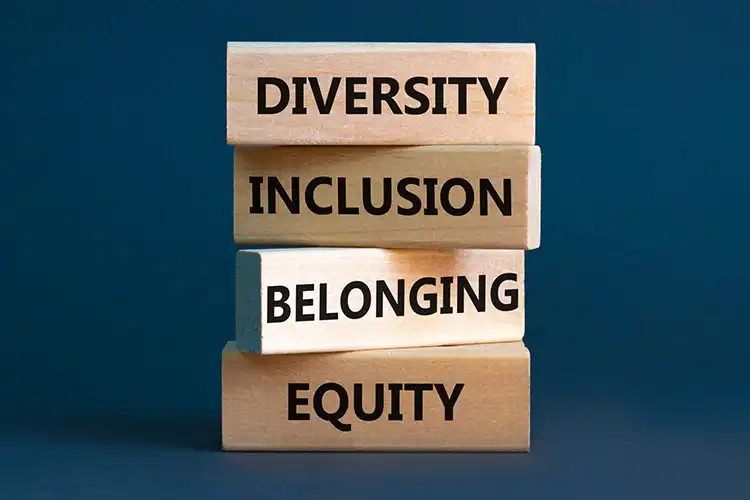
Supporting Change
Interested to know about our projects, advocacy, disability service improvement and access work we engage in?
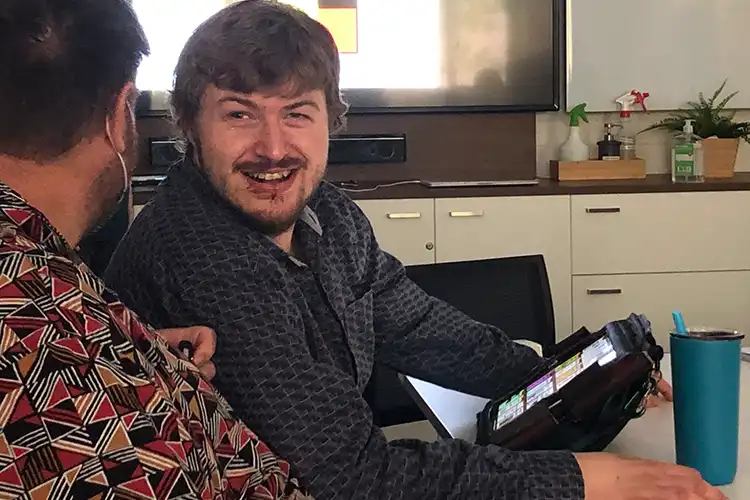
Learning Hub
Resources, training and information that you can access or sign up to from across our services
Our Values
Relationships
We value our relationship with you and helping you develop relationships with others.
Learning
We are always learning from you, your family and supporters to find new ways to be of service.
Inclusion
Everyone belongs as equal members of community.
Innovation
We support you to have a good life by thinking outside the box, creating novel solutions and pathways.
Quality
We aspire to providing the best quality services possible.
Person Led
We support by being in partnership with you following your lead for what is important to you and your life.




Microboards Australia
(opens in a new tab)A self-determined life, with a sustained support network of family and friends who know you well.

We’re looking for people who are curious. People who can listen before assuming.
People who understand that behaviour is information, communication happens in many different ways, and a person should never have to earn their right to dignity, choice or belonging.
People who are prepared to reflect on their own practice and keep asking: “Is there a better way?”
At Microboards Australia, our work is grounded in relationships, human rights, quality of life and supporting people to have greater choice and control over their own lives.
If that sounds like the kind of place where you could do meaningful work, we’re currently hiring.💚
Come and learn more about us.👉 #WereHiring #MicroboardsAustralia #DisabilitySector #NDISJobs #BehaviourSupport #AlliedHealth #PerthJobs
We’re looking forward to visiting and learning more. Please give the new café a follow and help spread the word
This content isn't available right now
When this happens, it's usually because the owner only shared it with a small group of people, changed who can see it or it's been deleted.We’re looking for people who are curious. People who can listen before assuming.
People who understand that behaviour is information, communication happens in many different ways, and a person should never have to earn their right to dignity, choice or belonging.
People who are prepared to reflect on their own practice and keep asking:“Is there a better way?”
At Microboards Australia, our work is grounded in relationships, human rights, quality of life and supporting people to have greater choice and control over their own lives.
If that sounds like the kind of place where you could do meaningful work, we’re currently hiring.💚
Come and learn more about us.👉 #WereHiring #MicroboardsAustralia #DisabilitySector #NDISJobs #BehaviourSupport #AlliedHealth #PerthJobs
Curtin University Courses
The Curtin School Allied Health offer the courses Graduate Certificate in Complex Communication Needs and Graduate Certificate in Positive Behaviour Support. Two post graduate qualifications, designed to support excellence in practice when working with people with disability.
Microboards Australia, alongside people with disability lived expertise and expertise, partnered with Curtin to develop these courses.
Subscribe to our newsletter
Sign up to our informative emails delivered right to your inbox.